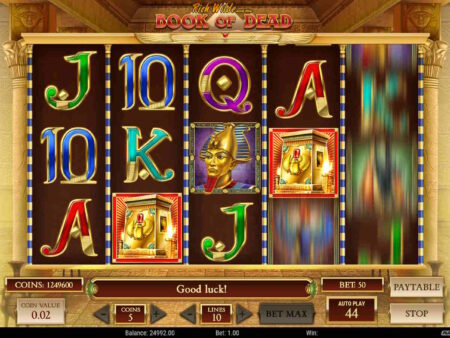
Online Casinos ohne 5 Sekunden Regel zu finden, ist nicht so einfach wie man denkt, denn im Sommer 2021 trat der Glücksspielstaatsvertrag in Deutschland in Kraft. Die 5 Sekunden Regel ist eine der neuen gesetzlichen Vorgaben, die seitdem den Spielspaß in Online Casinos mit deutscher Lizenz trüben. Zudem gibt es einige weitere Änderungen im Glücksspielgesetz, die Spieler aus Deutschland nun beim Spielen einschränken. Was es mit der Fünf Sekunden Pause auf sich hat und wie man sie umgehen kann, erfahrt ihr in diesem Beitrag. Genauso erfahrt ihr hier welche die besten online Casinos ohne 5 Sekunden Regel sind.
Die besten Online Casinos ohne 5 Sekunden Regel 2026
Alle Anbieter in dieser Liste sind online Casinos ohne 5 Sekunden Regel. Hier gibt es keine Pausen oder Wartezeit. Garantiert!

Nur Slots-Favoriten:
RollingSlots
300% bis zu €3500 + 550 FS
Ohne Limit, keine 5 Sek. & kein 1€ Limit
Die besten Slots & Spielautomaten

Viele neue Spielautomaten:
Spinimax
150% Bonus bis 750 € + 150 FS
hohe RTP-Quoten

Viele Tischspiele:
Mino Casino
Bonus bis 2300 € + 400 FS
Keine 5 Sekunden Regel

Schnelle Spins:
CashLounge
525% bis zu 3.000 € + 350 FS
keine Limits, ohne Pausen

Mit Drops & Wins Games:
Hugo Casino
225% bis zu 600 € + 275 FS
Mit Casino internem Shop

Viele VIP-Vorteile:
VipLuck
Bonus bis 2000 € + 300 FS
Ohne Limits spielen

Viele namhafte Hersteller:
Godz
100% Bonus bis 2000 € + 300 FS
aufregende Casino-Turniere

Testsieger Krypto Casinos:
Silverplay
4-in-1 Bonus bis 2500 € + 250 FS
Kein 1 € Limit, ohne 5 Sekunden Pause
Testsieger der Gesamtwertung

Lukrative Jackpots:
Realz
Bonus bis 500 € + 200 FS
Slots spielen ohne Pausenregel

Release 11/2025:
Jokery
Bonus bis 1500 € + 100 FS
Die beliebtesten Slots

Gewinne sofort auszahlen:
SpinsUP!
Bonuspaket bis 3000 € + 300 FS
Alle Spielkategorien

Testsieger VIP Angebote!:
WildTokyo
250% bis zu €3000 + 600 FS
VPN-freundlich
Viele Live Dealer Spiele

Spannende Book-of Spiele:
Spinplatinum
100% Bonus bis 500 € + 100 FS
Sofort Gewinne auszahlen
Die aktuellsten Casinospiele

Brandneues Casino:
VikingLuck
4-in-1 Bonus bis zu 2500€ + 250 Freespins
Jetzt ohne Limits spielen
Schnelle Auszahlungen

Gute Auszahlungsquoten:
Spinlynx
400% Bonus bis 2000 € + 200 FS
schnelle Auszahlung

Bestes No Limit Casino:
QuickWin
Bonus bis 500 € + 200 FS
Kein Limit: Einzahlungslimit und Einsatzlimit
Schnelles Spielen mit hohem Einsatz

NEU im Januar 2025:
Gransino
500 € Bonus + 200 FS
topmodernes Design
Die besten Software-Provider

Top für Neueinsteiger:
Infinity
100% Bonus bis 500 € + 200 FS
Ohne Spielpausen und Limits
Die besten Software Hersteller

No Limit Casino:
Cashwin
100 % bis zu €1000 + 50 Freispiele
Keine Limits, keine 5 Sekunden Pause
Die weltweit besten Spieleanbieter

NEU 10/2025:
Pandido
3-fach Bonus bis 2888 € + 250 FS
Live Dealer Games

Top Newcomer Casino:
Amunra
100% Willkommensbonus bei der Registrierung
Ohne Einsatz- und Einzahlungslimit
Turboschnelles Spielen

Mehr als 1200 Live Games :
Rich Royal Casino
275% Bonus bis 7500 € + 225 FS + Bonus Crab
Mit VIP-Programm
Sofort spielen ohne Verifizierung

Mit 9000+ verschiedenen Games:
Playfina
4-in-1 Bonus bis 1000 € + 600 Freispiele + Geheimbonus
Blackjack ,Roulette-Spiele, Craps, Video Poker und viel mehr

Jetzt neu im Programm:
Spinight
500 € Bonus + 200 FS + 1 Credit
Ohne Spielpausen spielen
Brandaktuelle Casinospiele

Die aktuellsten Spiel-Titel:
Casinova
Bis zu 2000€ Bonus im Paket
Keine Einzahlungsgrenze
Die neuesten Slots und Live Games
Überblick aller online Casinos ohne 5 Sekunden Regel
| ???? Bestes online Casino ohne 5 Sekunden Regel: | Spinrollz |
| ???? Beste Casino-Spiele ohne Wartezeit: | RollingSlots |
| ???? Top Slots ohne 5 Sekunden Pause: | VikingLuck |
| ???? Bester Casinobonus: | GreenLuck |
| ???? Bestes online Casino ohne Limit: | Spinight |
| ????Neues Casino ohne 5 Sekunden Regel: | Cashed |
Vorteile der online Casinos ohne 5 Sekunden Regel im Überblick
| Vorteile | Beschreibung |
|---|---|
| Schnelleres Spieltempo | Spieler können ohne die 5-Sekunden-Pause zwischen den Spins spielen, was ein flüssigeres Spielerlebnis ermöglicht. |
| Höhere Autoplay-Optionen | Spieler können oft eine Autoplay-Funktion nutzen, die ohne die Regelunterbrechung Serien von Spins automatisch absolviert. |
| Mehr Spielrunden in kürzerer Zeit | Ohne 5-Sekunden-Intervall können Spieler in der gleichen Zeit mehr Spins und damit mehr Spielrunden erleben. |
| Erhöhte Spieldynamik | Durch das Wegfallen der Pausen kann ein schnelleres und dynamischeres Spielgefühl entstehen, das manche Spieler bevorzugen. |
| Attraktiver für High-Speed-Spieler | Erfahrene Spieler oder solche, die gerne mit einer schnelleren Pace spielen, finden solche Casinos oft ansprechender. |
| Keine wahrgenommene „Zeitverschwendung“ | Das Warten zwischen den Spins wird von manchen als unnötiger Zeitverlust empfunden, was in Casinos ohne diese Regel entfällt. |
| Größere Flexibilität im Spiel | Spieler haben mehr Kontrolle über das Spieltempo und können das Spiel ohne externe Unterbrechungen genießen. |
Was es mit der Fünf Sekunden Pause auf sich hat

Das neue Glücksspielgesetz in Deutschland sieht für Online Casinos mit DE-Lizenz seit Sommer 2021 neben vielen weiteren Regelungen eine fünf Sekunden Pause zwischen den einzelnen Spielrunden vor. Begründet wird diese Einschränkung damit, dass Spieler auf diese Weise auf Dauer angeblich weniger Geld einsetzen und damit auch weniger verlieren können. Außerdem soll die Gefahr einer Spielsucht sinken, da kein richtiger Spielfluss zustande kommt. In online Casinos ohne 5 Sekunden Regel ist die Gefahr meiner Meinung nach genau gleich große oder klein.
Die 5 Sekunden Pause ist eine sehr nervige Einschränkung, denn nach jedem Spin am Slot muss man fünf Sekunden abwarten, bis man die Walzen erneut anstoßen kann. Meiner Meinung nach ist dieses Gesetz ziemlich sinnfrei. Die Zeitspanne der wenigen Sekunden wirkt zwar zunächst kurz, aber als erfahrener Spieler weiß man, wie schnell die einzelnen Spielrunden tatsächlich ablaufen können. Schließlich nutzen viele die in den Spielautomaten eingebaute Autoplay-Funktion oder gar die Schnelldreh-Funktion, welche die einzelnen Drehs in Windeseile ablaufen lässt. Das neue Gesetz schiebt diesen beiden Slotfunktionen einen Riegel vor. Im Online Casino Deutschland sind diese beiden Funktionen an Automatenspielen schlichtweg nicht mehr verfügbar. In online Casinos ohne 5 Sekunden Regel allerdings schon.
Die Fünf Sekunden Pause sorgt für reichlich Unverständnis
Glücksspielanbieter können sich seit Oktober 2020 um eine Lizenz für den deutschen Glücksspielmarkt bewerben. Dafür müssen strenge Auflagen konsequent erfüllt werden und es gibt viele Reglementierungen, die eingehalten werden müssen. Eine der unangenehmsten Lizenzvorgaben, sowohl für die Spieler als auch für die Betreiber, ist die 5 Sekunden Pause. Sie ist in der Tat einer der gravierendsten Einschnitte für die deutsche Glücksspiel-Branche, welche der neue Glücksspielstaatsvertrag mit sich bringt.
Die 5 Sekunden Pause wurde von staatlicher Seite eingeführt, um die Zeitspanne zwischen den einzelnen Drehungen bewusst zu verlängern. Hält ein Online Casino die Zeitregelung ein, muss man als Spieler die nächste Runde immer selbst manuell anstoßen. Natürlich geht das erst nach Ablauf der vorgeschriebenen 5 Sekunden. Angeblich soll durch die neue Gesetzgebung die Suchtgefahr sinken. Spieler sollen nicht allzu viel Echtgeld innerhalb des Spielangebots ausgeben. Dies hat allerdings zur Folge, dass viele Casino-Anbieter, welche ihr Glücksspiel-Angebot mit deutscher Lizenz betreiben, mittlerweile hohe Umsatzeinbußen hinnehmen müssen.
Wer sich nicht an dieses Gesetz halten und die Reglements nicht einhalten will, erhält schlichtweg keine Glücksspiellizenz aus Deutschland. Das hat für die Betreiber aber durchaus Vorteile, denn sie können ihr Spielangebot dem deutschen Markt trotzdem zugängig machen, wenn sie ihren Unternehmenssitz innerhalb der Europäischen Union haben. Beispielsweise werden Online Casinos ohne 5 Sekunden Regel mit Sitz in Malta durch eine maltesische Lizenz der MGA (Malta Gaming Authority) reguliert. Auch ein virtuelles Spielangebot aus anderen Ländern dürfen deutsche Spieler legal nutzen.
Grund genug, um nach Alternativen zu suchen, bei denen man in online Casinos ohne 5 Sekunden Regel und ohne weitere Einschränkung spielen kann. Es gibt sie nämlich!
Online Casinos ohne 5 Sekunden Regel mit EU-Lizenz

Die 5 Sekunden Regel im deutschen Glücksspiel sorgt mit Recht für reichlich Empörung und Kopfschütteln in der Spielerschaft, schließlich beeinträchtigt die Pause zwischen den Spins den Spielspaß enorm. Aber nicht nur bei Spielern löst in online Casinos ohne 5 Sekunden Regel die Pause reichlich Missmut aus, denn auch die Glücksspiel-Betreiber können für die neuen Regeln keinerlei Verständnis aufbringen. Casinobetreiber befürchten mit Recht reichlich Umsatzeinbußen und den Verlust vieler ihrer bisher treuen Kunden. Immerhin gibt es die Möglichkeit, in andere Online Casinos abzuwandern, welche ihre Spiele ohne Einschränkungen anbieten, wie beispielsweise das Rolling Slots Casino.
Europäische Lizenzen – online Casinos ohne 5 Sekunden Regel
| Lizenz | 5 Sekunden Pause | Online Casinos ohne 5 Sekunden Regel |
|---|---|---|
| Malta | ✕ | ✔ |
| Curacao | ✕ | ✔ |
| Antillephone | ✕ | ✔ |
Gesellschaften, die außerhalb Deutschlands ihren Hauptsitz angemeldet haben, können den Spielbetrieb nach EU-Recht ablaufen lassen und müssen sich nicht an die deutsche Gesetzgebung halten. Alle Online-Casinos mit einer Lizenz außerhalb Deutschlands betrifft die 5-Sekunden Regel also nicht. Und da man als deutscher Bürger das Recht hat, alle Dienstleistungen innerhalb der Europäischen Union in Anspruch zu nehmen, ist es sogar vollkommen legal in Online Casinos mit EU-Lizenz registriert zu sein und dort mit Echtgeld zu spielen.
Bei diesen Anbietern genießt man gegenüber den Casinos aus Deutschland inzwischen enorme Vorteile, denn es ist ja nicht nur die nervige 5-Sekunden-Pause, die für Ärger auf dem deutschen Glücksspielmarkt sorgt. Deutsche Casinos müssen noch viele weitere Auflagen erfüllen, welche in EU-Lizenzen nicht vorgesehen sind. Ich selbst spiele mittlerweile nicht mehr in Online Casinos Deutschland, sondern bevorzuge die Online Spielhallen mit Lizenzen außerhalb Deutschlands. Meine Top-Casinos Liste findet ihr oben.
Das sind die online Casinos ohne 5 Sekunden Regel, die ich ausgiebig einem Casino Test unterzogen habe und die mir am besten gefallen haben. Ihr könnt euch dort gerne einmal unverbindlich umsehen und Casino-Spiele kostenlos ausprobieren. Diese EU-Spielhallen haben nämlich den Vorteil, dann sie noch Demo Casino Spiele kostenlos anbieten, die man mit Spielgeld testen kann. Deutsche Online Casinos ohne 5 Sekunden Regel bieten diese Gratis Casinospiele wegen des neuen Glücksspielgesetzes leider nicht mehr an.
Unterschied zwischen DE-Lizenz und EU-Lizenz

Die EU-Glücksspiellizenz und die DE-Glücksspiellizenz unterscheiden sich vom Grundprinzip her nicht allzu sehr. Bei beiden Lizenzierungen werden die Anbieter gründlich geprüft und müssen strenge Anforderungen erfüllen, ehe die Lizenzvergabe gesichert ist. Beispielsweise wird die Liquidität überprüft und die Unternehmen müssen eine solide finanzielle Lage aufweisen. Es muss ausreichend Grundkapital vorhanden sein, das eine Auszahlung von Gewinnen sichert. Eingelegte Spielergelder müssen auf separaten Konten, getrennt vom Geschäftskonto, aufbewahrt werden, um jederzeit zurückgezahlt werden zu können. Was den Datenschutz angeht, sind bei beiden Lizenzen die EU-Bestimmungen zu erfüllen.
Online Casinos ohne 5 Sekunden Regel mit EU-Lizenz offerieren also gleichermaßen ein hohes Maß an Sicherheit und Seriosität wie Online Casinos mit deutscher Lizenz.
Die wichtigsten Unterschiede zwischen EU- und deutscher Glücksspielizenz betreffen eher das Spiel selbst. Durch gewisse Limits und Spieleinschränkungen sollen Spieler aus Deutschland zukünftig weniger Spielsucht gefährdet sein.
Folgende Einschränkungen sind nur im Online Casino mit deutscher Lizenzierung zu finden:
- 5 Sekunden Regel: Zwischen zwei Spins müssen die Spieler fünf Sekunden abwarten, um die Rollen des Spielautomats erneut zu drehen.
- 1000 € Einzahlungungslimit monatlich: Es können anbieterübergreifend nicht mehr als 1000 € monatlich auf Spielerkonten eingezahlt werden. Dies ist nur in online Casinos ohne Limit möglich.
- 1 € Einsatzlimit: Pro Spielrunde kann lediglich 1 € Einsatz gemacht werden.
- Tischspiele: Tablegames wie Roulette, Poker, Baccarat oder andere Kartenspiele dürfen im Online Casino mit deutscher Lizenz nicht mehr angeboten werden.
- Live-Casino: Casinospiele mit Live Dealern gibt es im Online-Casino mit deutscher Lizenz nicht mehr.
- Jackpots: Jackpotspiele und progressive Jackpots wurden aus Online Casinos mit DE-Lizenz verbannt.
- Video Ident Verifizierung: Während in EU-Casinos weiterhin vor der ersten Gewinn-Auszahlung ein Scan des Personalausweises für die Verifizierung ausreicht, muss im Online Casino aus Deutschland direkt bei der Registrierung eine Video Verifizierung zur Identitätsfeststellung stattfinden.
- Autospin Funktion: Da durch die Autospin Funktion an Spielautomaten die 5 Sekunden Pause nicht eingehalten wird, darf diese in Casinos aus Deutschland nicht mehr angeboten werden.
- Turbospin Funktion: Ebenso wie die Autospin Funktion ist auch die Quickspin-Funktion bzw. Turbospin an Automatenspielen in deutschen Casinos nicht mehr zugelassen.
- Kostenlose Demo-Spiele: Kostenfreie Übungsspiele im Demo-Modus dürfen nicht mehr angeboten werden.
- Casino-Bonus: Casinos mit deutscher Lizenz werben nicht mehr mit einem Willkommensbonus. Ebenso fallen Freispiel-Boni weg.
- Weitergabe des Spielverhaltens an staatliche Institutionen: Einer der großen Eingriffe in die Privatsphäre ist die Weitergabe eurer Spielerdaten an staatliche Prüfungsbehörden. Online Casinos mit Lizenz aus Deutschand sind verpflichtet, alle Daten eines jeden Spielers an die deutsche Regulierungsbehörde (sofern diese irgendwann in Zukunft eingerichtet ist) weiterzuleiten.
- Panic-Button: Jedes deutsche Casino muss gut sichtbar einen Panicbutton (ähnlich eines Not-Aus Buttons) platzieren, mit dem die Spieler zu jeder Zeit ihr Spiel unterbrechen können.
Es sind also neben der 5 Sekunden Regel noch einige weitere strenge Regularien, die das Spielgeschehen im deutschen Online Casino im Wesentlichen negativ beeinflussen. Die neue Glücksspiel-Gesetzgebung in Deutschland grenzt schon sehr an Gängelei und wird von den meisten Spielern in dieser Form nicht akzeptiert. Viele Anbieter, welche sich mit einer deutschen Lizenzierung schmücken, haben das Nachsehen, denn mittlerweile haben viele Kunden ihre Spielerkonten gelöscht und sich in seriösen Casinos mit Lizenzen außerhalb des Bundesgebiets angemeldet. Ich selbst bevorzuge inzwischen auch das Spielangebot in den EU-Lizenz Casinos, zumal ich dort noch mein geliebtes Tischspiel Roulette spielen kann. Meine Konten in deutschen Online Spielhallen habe ich mittlerweile alle gelöscht.
So könnt ihr die 5 Sekunden Regel umgehen
Der einzige Weg, mit dem ihr die 5 Sekunden Pause und auch die anderen Einschränkungen umgehen könnt, ist eine Registrierung in anderen Online Casinos, welche nicht den deutschen Glücksspielregeln unterliegen. Online Casinos ohne 5 Sekunden Regel mit Sitz auf Malta, Curacao oder anderen der Europäischen Union angegliederten Staaten verfügen meist über eine EU-Lizenz, worüber man sich natürlich vor der Registrierung vergewissern sollte.
Die Malta Gaming Authority (MGA) gilt neben der Aufsichtsbehörde aus Schleswig Holstein / Deutschland als eine der strengsten Regulierungsbehörden. Sicheres, faires und vor allem legales Spiel ist deutschen Glücksspielern also auch dort gewährleistet. MGA Casinos sind auch meine Favoriten, wobei ich auch einige Spieler-Konten bei verschiedenen guten Antillephone Casinos habe. Ihr findet all meine Top-Favoriten oben in der Auflistung.
Sicher ist auf jeden Fall, dass in EU-Online Casinos ohne 5 Sekunden Regel mehr Spielfluss und damit mehr Spielspaß bedeuten. Sowohl die Turbo-Spin Funktion als auch Autospin sind weiterhin nutzbar. Für mich sind das nach wie vor wichtige Funktionen an Slotautomaten, auf die ich nicht verzichten will. Auch auf die beliebten Pokerspiele und andere Tischspiele müsst ihr nicht verzichten, eben so wenig wie auf Jackpots. Casinos mit EU-Lizenz können das Komplettangebot an Casinospielen für euch bereithalten, bei manchen findet ihr sogar Sportwetten.
Das Einzahlungslimit und Setzlimits sind wesentlich großzügiger in online Casinos ohne 5 Sekunden Regel, wenn ihr im EU-Casino spielt. Euer Spielverhalten und die Wettbeträge werden nicht an deutsche Institutionen weitergegeben. Ihr könnt also wesentlich freier eurem Hobby Automatenspiel nachgehen und müsst keine Restriktionen von staatlicher Seite befürchten. Für mich sind das alles wichtige Kriterien, da ich mich durchaus zu den High Rollern zähle und in deutschen Casinos meine Spielleidenschaft nicht mehr in vollem Umfang ausleben kann. Zudem möchte ich nicht, dass mein Spielverhalten von staatlicher Seite kontrolliert wird, denn ich habe mich bisher immer im Griff gehabt und kann selbst entscheiden, wann ich wieviel meines Geldes investieren will und kann.
Nachteile in online Casinos ohne 5 Sekunden Regel
Nachteile hat man als Spieler in online Casinos ohne 5 Sekunden Regel nicht wirklich. Zumindest nicht, wenn man sein Spielverhalten im Griff hat und nie mehr Einsätze macht, als man es sich leisten kann. Für mich ist es ein No-Go, dass mir der Staat kontrolliert und für mich bestimmt, wieviel Echtgeld ich beim Spielen einsetzen darf. Im Online Casino Deutschland habt ihr keine Chance, der staatlichen Aufsicht zu entgehen. Wer versucht, die Regeln durch Tricks zu umgehen oder wer ein Verhalten an den Tag legt, das auf eine Spielsucht schließen lassen könnte, wird rigoros gesperrt. Und zwar nicht nur in einem Casino, sondern anbieterübergreifend. Auch mit mehreren Spieler-Konten bei verschiedenen Anbietern kann man der Kontrolle also nicht entkommen.
Alle Konten laufen in einer Kontrollbehörde zusammen und es kann jederzeit eingesehen werden, wann man wo wieviel Geld eingezahlt und verspielt hat. Natürlich werden dann auch sämtliche Gewinne aufgezeichnet und der Fiskus kann einen unter gewissen Umständen zur Kasse bitten. All eure Daten laufen in einer zentralen Behörde auf einem speziell für jeden einzelnen Spieler angelegten Konto zusammen. So ist die Kontrolle leicht möglich.
Im Gegensatz dazu leiten online Casinos ohne 5 Sekunden Regel mit EU Lizenz keine persönlichen Spielerdaten an irgendeine Behörde weiter. So gibt es für die Spieler auch kaum eine Möglichkeit, von staatlicher Seite gesperrt zu werden. Wer spielsuchtgefährdet ist, kann also auch nicht von anderer Stelle gestoppt werden. Hier gibt es aber Vorkehrungen, mit denen man sich selbst Grenzen beim Spielen setzen kann.
Bei den meisten Anbietern lassen sich im Kontobereich individuelle Einstellungen vornehmen, um sich selbst persönliche Einzahlungs- oder Setz-Limits festzulegen. Auch zeitliche Begrenzungen fürs Spielen mit Echtgeld sind häufig einstellbar. Verantwortungsvolle Spieler setzen sich dort ihre Verlustlimits selbst. Hierzu benötigt man weder eine 5 Sekunden Regel, noch ein monatliches Einzahlungslimit und schon gar nicht das Einsatzlimit von 1 €.
In Online Casinos ohne 5 Sekunden Regel erwarten euch weiterhin ein positives und vor allem ein actionreiches Spielvergnügen, weil ihr weiterhin sämtliche Spielarten mit allen Funktionen vorfindet, und ihr vor allem nicht immer lange 5 Sekunden bis zum nächsten Einsatz warten müsst. So verbringt ihr nicht extrem viele öde Minuten vor euren Displays und Monitoren. Die online Casinos ohne 5 Sekunden Regelung könnt ihr wie gewohnt auf euren Handys mitnehmen und überall spielen, wo ihr gerade Lust dazu verspürt. Sie sind mittlerweile alle so optimiert, dass jederzeit ein reibungsloser Spielablauf gewährleistet ist und die Casino-Webseiten passen sich automatisch an eure Displays an – egal welches Endgerät ihr nutzt.
Vergleicht man das Spielangebot von EU- online Casinos ohne 5 Sekunden Regel und Casinos aus Deutschland mit 5 Sekunden Regel, dürften Erstere auf alle Fälle vielversprechender sein. In deutschen Online Casinos findet man nur noch Spielautomaten, während das Portfolio in jeglichem Onlinecasino mit EU-Lizenz prall mit virtuellen Spielen aller Kategorien gefüllt ist. Sämtliche Tischspiel-Arten sind vertreten, es gibt bei den meisten Anbietern ein Live-Casino und auch auf Jackpotspiele muss man nicht verzichten. Online Casinos ohne 5 Sekunden Regel haben auf alle Fälle mehr zu bieten und auch die Registrierung ist wesentlich einfacher.
Registrierung in Online Casinos ohne 5 Sekunden Regel
Während man im Online Casino aus Deutschland bei der Registrierung eine online Video-Verifizierung über sich ergehen lassen muss, ist die Anmeldung in online Casinos ohne 5 Sekunden Regel ganz einfach. Besucht einfach die Webseite über euren Browser und geht auf den Registrieren-Button. Im nächsten Schritt werden eure persönlichen Daten abgefragt. Sobald ihr das Anmeldeformular abgesendet habt, ist euer Spielerkonto eröffnet und ihr könnt direkt eine Einzahlung tätigen. Viele Anbieter offerieren sogar einen Willkommensbonus bei Einzahlung für ihre Neukunden, selten einen No-Deposit Bonus. Aber angesichts der Tatsache, dass es in deutschen Casinos kaum noch Boni gibt, kann man die Angebote gerne einmal prüfen und in Anspruch nehmen.
Fazit
Wer Wert auf viel Action und auf eine große Vielfalt bei der Spielauswahl legt, dem kann ich nur ans Herz legen, sich in Online Casinos ohne 5 Sekunden Regel anzumelden und dort sein Glück auf die Probe zu stellen. Die Auswahl an Spielautomaten ist etwa gleichwertig wie bei online Casinos mit 5 Sekunden Regel, aber man muss nicht auf Tischspiele, Live Spiele und Jackpot-Games verzichten. Alle Klassiker wie beispielsweise Roulette, Black Jack, Baccarat oder Poker sind vertreten, größtenteils auch als Live-Dealer Spiele.
Online Casinos ohne 5 Sekunden Regel ist nicht zwangsläufig weniger seriös als andere. Alle lizenzierten Betreiber müssen sich regelmäßigen Kontrollen stellen und verantwortungsbewusst mit Spielergeldern umgehen. Dabei spielt es keinerlei Rolle welche Behörde die Lizenz ausstellt. Neben der europäischen MGA-Lizenz und der Glücksspiel-Lizenz aus Deutschland, welche beide einen hervorragenden Ruf genießen, sind häufig auch Offshore-Lizenzen aus United Kingdom, Curacao oder Gibraltar vertreten.
Bei Letzteren ist der Nachteil, dass die Gerichtsbarkeit außerhalb der EU liegt und es im Streitfall schwierig werden kann, zu seinem Recht zu kommen. Zudem sind die Lizenzbedingungen nicht ganz so streng wie die der MGA oder des Landes Schleswig Holstein und die staatliche Kontrolle fällt ein wenig nachlässiger aus. Wenn ihr euch nicht ganz sicher seid, ob die online Casinos ohne 5 Sekunden Regel eurer Wahl seriös sind, dann macht euch vor der Anmeldung schlau, lest Casino-Testberichte und Rezensionen und entscheidet euch erst danach.
FAQ zu online Casinos ohne 5 Sekunden Regel
-
Gibt es noch Online Casinos ohne 5 Sekunden Regel?
Ja, die gibt es noch immer. Weiter oben habe ich bereits eine Vorauswahl der besten Online Casinos ohne 5 Sekunden Pause getroffen, die ich alle getestet und für absolut sicher und sehr gut befunden habe. Dort könnt ihr garantiert ohne 5 Sekunden Pause zwischen Spins spielen.
-
Wie sicher sind Online Casinos ohne 5 Sekunden Regel?
Solange die Anbieter über eine gültige Glücksspiellizenz verfügen, sind die absolut seriös und haben sämtliche Anforderungen in Bezug auf Spielersicherheit und Datenschutz erfüllt. Alle Casinos ohne Spielpausen werden regelmäßig von den jeweils zuständigen Kontrollinstanzen auf ihre Sicherheit und Fairness hin überprüft.
-
Was bedeutet die 5 Sekunden Pause in Casinos?
Mit der 5 Sekunden Regel wurde in deutschen Casinos eine Zwangspause in allen Spielautomaten implementiert. Entweder erfolgt nach jeder Drehung eine Pause von 5 Sekunden oder der Spin selbst dauert so lange. Schnelles Spielen ist in Casinos mit deutscher Lizenz demnach nicht mehr möglich. Wer ohne Pausen spielen will, muss sich für ein Onlinecasino ohne 5 Sekunden Pause entscheiden. Nur Online Casinos mit EU-Lizenz wenden die 5 Sekunden Regel nicht an.
-
Kann man die 5 Sekunden Pause in deutschen Casinos umgehen?
Klares Nein! In deutschen Online Casinos muss die 5 Sekunden Regel des Gesetztes wegen immer angewandt werden. Die einzige Möglichkeit, die deutsche Spieler haben, um die Pausenregel in Online Casinos zu umgehen, ist, dass sie sich auf Casinos mit europäischer Lizenz konzentrieren und dort ein Kundenkonto einrichten, um mit Echtgeld ohne Pause spielen zu können.
-
Was bedeutet Online Casinos ohne Limit
Online-Casinos ohne Limit bieten Spiele ohne die im deutschen Glücksspielstaatsvertrag festgeschriebenen Einschränkungen, wie zum Beispiel das monatliche Einzahlungslimit von 1.000 Euro. Auch das maximale Einsatzlimit von 1 Euro gibt es bei diesen Anbietern nicht.
-
Warum suchen einige Spieler Online Casinos ohne Limit auf?
Einige Spieler bevorzugen die Freiheit, ohne Einschränkungen spielen zu können, insbesondere High Roller oder erfahrene Spieler, die sich von Limits in ihrer Spielstrategie eingeschränkt fühlen.
Letztes Update am 21. Januar 2025 von Claire Wolf

- Tricks für Spielautomaten: Clevere Tipps statt illegaler Hacks - 12. Juni 2026
- Online-Spielothek in Deutschland 2026: Legal, sicher & mit Top-Slots spielen - 11. Juni 2026
- Die besten online Casinos ohne Echtgeld im Jahr 2026 - 26. Juni 2025